

Sensitive Tooth Upland: What’s Causing Your Pain & How to Treat It
Statistics suggest that 1 in 8 people in the United States experiences tooth sensitivity — yet most patients ignore the symptoms until the pain becomes impossible to overlook. At Higher Ground Dentistry, sensitive teeth are one of the most common concerns patients across Upland and the Inland Empire bring up at their checkups.
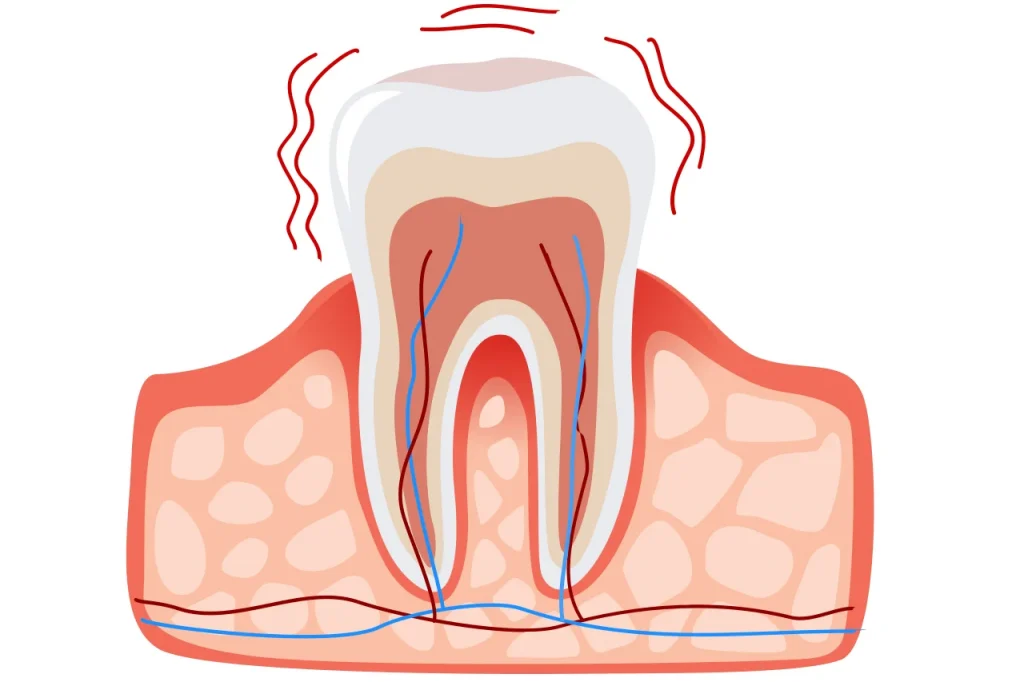
Tooth sensitivity — also called dentin hypersensitivity — occurs when the protective enamel on your teeth wears down or gums recede, exposing the inner dentin layer. When this happens hot, cold, sweet, or acidic foods can directly stimulate the nerve endings inside the tooth causing sudden sharp pain.
According to MouthHealthy.org (ADA), sensitive teeth can be treated — and the right treatment depends entirely on identifying the underlying cause first.
What Causes Sensitive Teeth Upland Patients Experience Most?
Cause 1 — Worn Tooth Enamel
Dental Enamel Protection: Why Sensitive Tooth Upland Patients Need It
Enamel is the hardest substance in the human body — but once it’s gone it doesn’t grow back. When enamel wears down the inner dentin layer becomes exposed making teeth react painfully to temperature and pressure.
Common causes of enamel wear:
- Brushing too hard or using a hard-bristled toothbrush
- Teeth grinding (bruxism) — often happening unconsciously during sleep
- Frequent consumption of acidic foods and drinks — soda, citrus, sports drinks
- Overuse of at-home teeth whitening products
- Acid reflux exposing teeth to stomach acid regularly
Signs your enamel needs protection:
- Increasing sensitivity to hot and cold
- Teeth appearing more yellow than usual
- Rough or uneven tooth edges
- Pain when eating sweets or acidic foods
Cause 2 — Gum Recession
When gums pull away from the teeth they expose the root surface — which unlike the crown has no enamel protection at all. This makes exposed roots extremely sensitive to temperature changes and pressure.
Common causes of gum recession:
- Gum disease left untreated
- Aggressive brushing over time
- Teeth grinding
- Tobacco use
If you notice your teeth looking longer than usual or sensitivity near the gum line — gum recession may already be underway. Early evaluation at Higher Ground Dentistry can help stop it from progressing further.
Cause 3 — Tooth Decay and Cavities
Cavities create small holes in enamel that allow bacteria and food particles to reach the inner dentin and nerve endings. As decay progresses sensitivity becomes more noticeable — especially with sweets or hot and cold drinks.
Signs decay may be causing your sensitivity:
- Sharp pain when eating sweets
- Visible dark spots on teeth
- Persistent bad taste in the mouth
- Swelling around a specific tooth
Untreated decay doesn’t resolve on its own — it progresses toward the nerve potentially requiring more extensive treatment. Early intervention is always simpler and less expensive.
Cause 4 — Other Common Triggers
- Tooth sensitivity after a filling — very common, usually resolves within 2–4 weeks
- Recent teeth whitening — temporary sensitivity from bleaching agents
- Cracked or chipped teeth — expose inner dentin directly
- Recent professional cleaning — mild sensitivity is normal and temporary
- Orthodontic treatment — aligners and braces can cause short-term sensitivity
Tooth Sensitivity Treatments Worth Knowing About
Tooth Sensitivity Treatment Upland — Options to Discuss With Your Dentist
Treatment depends entirely on the underlying cause. Here are the most common options your dentist may recommend based on your specific situation:
| Treatment | Best For | What It Does |
|---|---|---|
| Desensitizing toothpaste | Mild to moderate sensitivity | Blocks nerve signals — results in 2–4 weeks |
| Fluoride treatment | Enamel wear and early decay | Strengthens enamel and reduces nerve sensitivity |
| Dental bonding | Exposed roots and gum recession | Covers and protects exposed dentin |
| Custom nightguard | Grinding-related sensitivity | Prevents enamel wear during sleep |
| Dental filling | Cavity-related sensitivity | Seals decay and removes the source of pain |
| Root canal | Severe nerve damage or infection | Last resort for persistent unresolvable sensitivity |
Every patient’s situation is different — our team will evaluate your symptoms and discuss which options are most appropriate for you before any treatment begins.
Tooth Enamel Protection Tips You Can Start Today
Prevention is always better than treatment. Here’s what Higher Ground Dentistry recommends for every patient:
- Switch to a soft-bristled toothbrush — hard bristles are one of the leading causes of enamel wear
- Use fluoride toothpaste daily — fluoride actively remineralizes and strengthens enamel
- Limit acidic drinks — soda, juice, and sports drinks erode enamel with every sip
- Wear a nightguard if you grind — grinding destroys enamel faster than almost anything else
- Visit Higher Ground Dentistry every 6 months — early detection prevents minor sensitivity from becoming major damage
Frequently Asked Questions
How long does sensitive tooth upland pain typically last?
It depends on the cause. Sensitivity after a filling or whitening treatment typically resolves within 2–4 weeks. Sensitivity caused by gum recession or enamel wear requires professional treatment to improve — it won’t resolve on its own.
Can sensitive teeth upland patients find a permanent solution?
In many cases yes — once the underlying cause is treated sensitivity significantly improves or disappears entirely. Desensitizing toothpaste, fluoride treatments, and dental bonding all provide lasting relief for most patients.
Is tooth sensitivity a sign of something serious?
Sometimes. Mild sensitivity after eating cold foods is common. But persistent sensitivity — especially to heat, or accompanied by swelling or a toothache — can signal decay or infection that needs immediate attention.
What toothpaste is best for sensitive teeth upland patients?
Any ADA-accepted desensitizing toothpaste works well for mild sensitivity. Look for potassium nitrate or stannous fluoride as active ingredients. Ask our team for a personalized recommendation at your next visit.
When should I see a dentist about tooth sensitivity?
If sensitivity has lasted more than 2–3 weeks, is getting worse, or is accompanied by pain, swelling, or visible damage — book an appointment right away. Early treatment prevents minor sensitivity from becoming a major dental problem.
Sensitive Teeth Don’t Have to Be Your Normal
You shouldn’t have to wince every time you eat or drink something you enjoy. Higher Ground Dentistry helps patients across Upland, Rancho Cucamonga, Claremont, Montclair, and Fontana identify the cause of their tooth sensitivity and find lasting relief. Schedule your appointment today or call us at 909-946-9090.